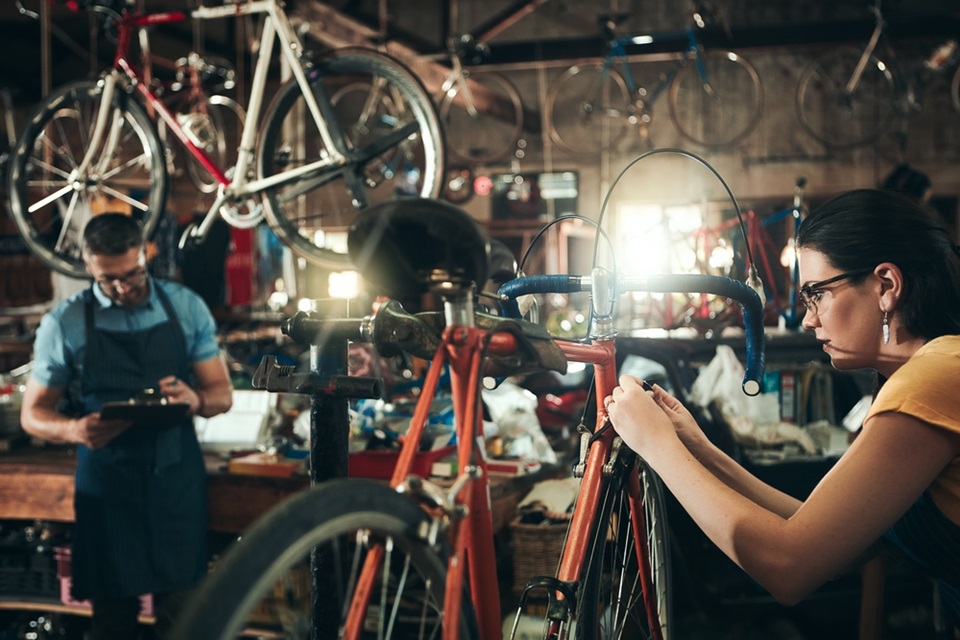

Repairing and regenerating objects prolongs their lifespan, delays the need for new purchases, and reduces waste. It also generates employment from small artisans to medium and large companies—while supporting the circular economy.
Italy already leads in the EU for employment in the repair sector, with 141,000 repair artisans operating nationwide. Yet, the sector faces structural obstacles that hinder its growth and economic sustainability.
Insights from the REPper Italian Hub
On September 25, 2025, REPper Italy hosted an online focus group to explore how to strengthen repair solution. The event brought together 11 stakeholders, including representatives from regional and local public administrations, waste management companies, repairers, trade associations, civil society, and project partners.
he focus group was organized by ALTROCONSUMO and served as a platform for discussing the challenges, opportunities, and innovative solutions for fostering repair practices in Italy.
The repair sector in Italy faces challenges such as :
- limited access to affordable spare parts and manuals due to manufacturer restrictions,
- planned obsolescence discouraging repairs, and a lack of consumer awareness about repair options, costs, or guarantees,
- non-replaceable components in products like PCs,
- slow adoption of EU eco-design regulations, and WEEE legislation treating functional items as waste.
Repair vouchers, successfully tested in France, Austria, and Germany, could incentivize consumers in Italy, with Capannori (Tuscany) already piloting a system inspired by Germany’s model.
To scale this, Lombardy could launch a regional voucher scheme (funded by eco-tax or development funds), implement Ministerial Decree for repurposing centers, replicate the Phoenix-weee model for appliance refurbishment, and boost communication and community repair initiatives.
Broader reforms (like expanding the Right to Repair Directive to B2B, reducing VAT on repairs, and promoting vocational training) would further unlock Italy’s repair potential.
Repair is not just eco-friendly: it’s an economic and social opportunity. By tackling regulatory, economic, and cultural barriers, Italy can pioneer a sustainable, resource-efficient economy.