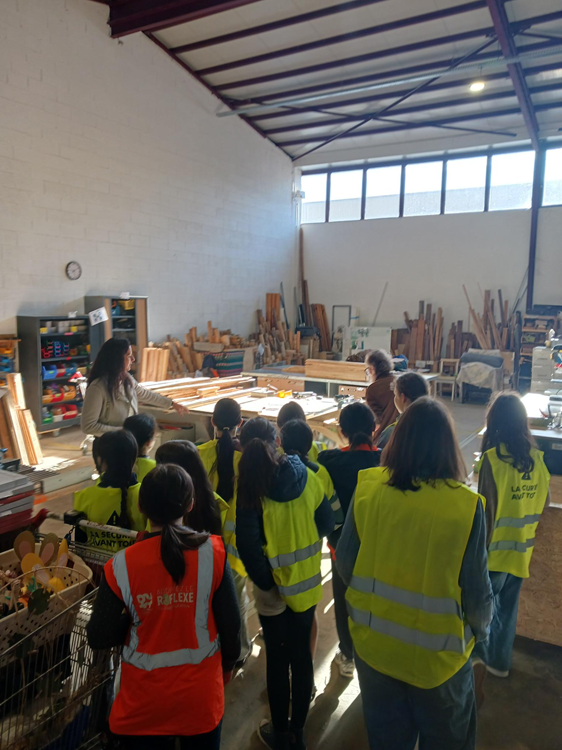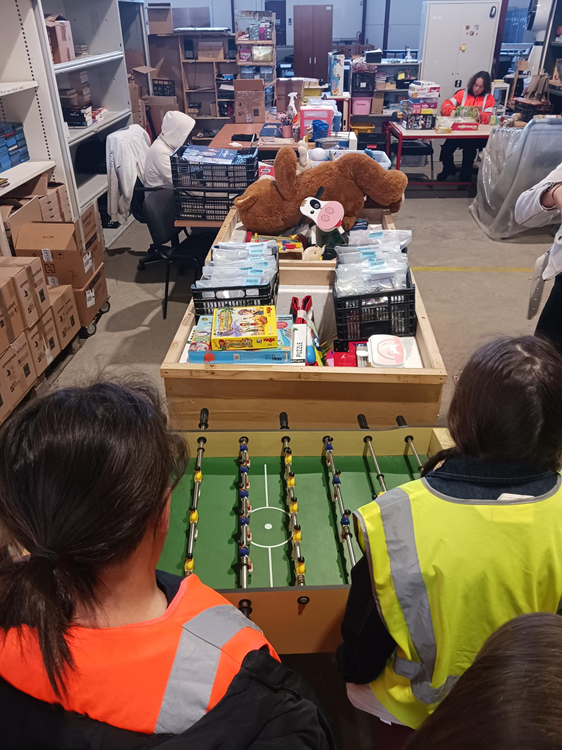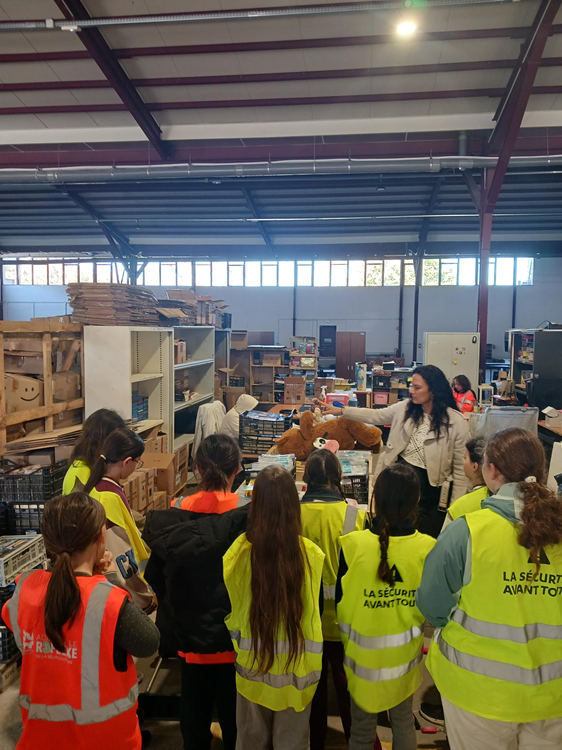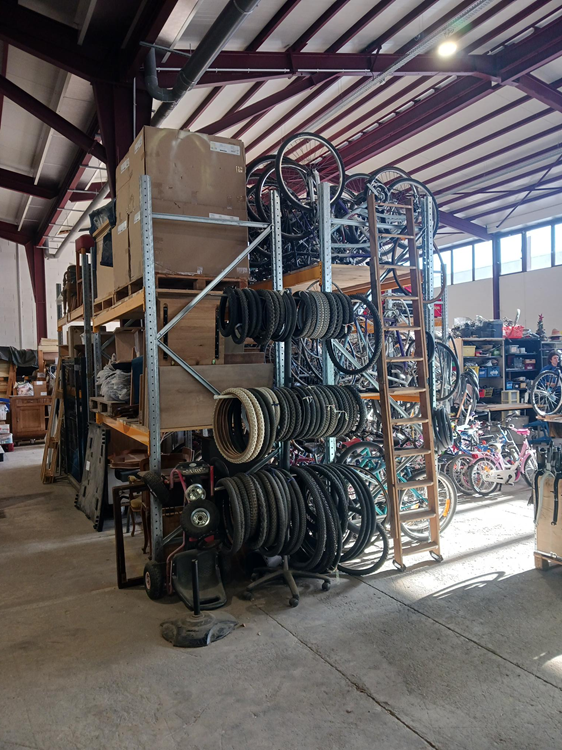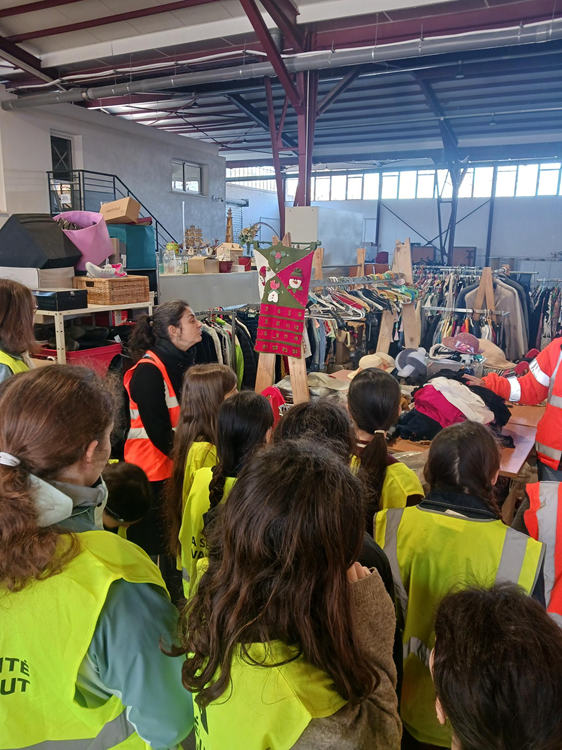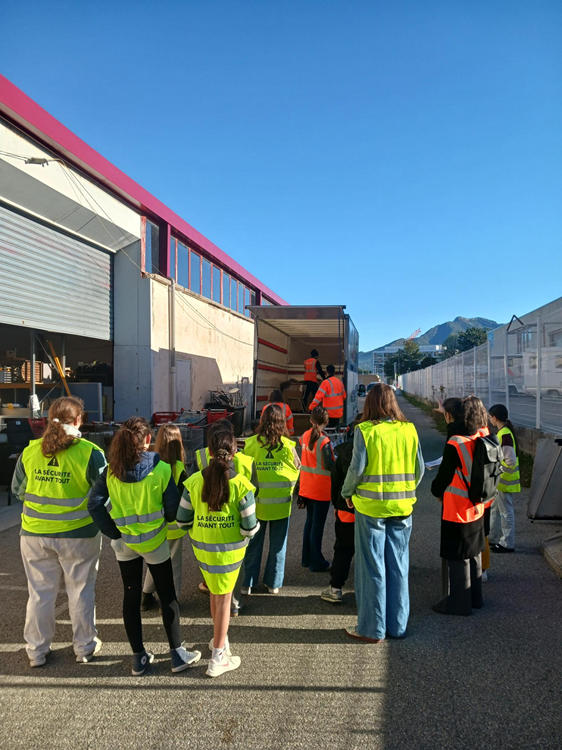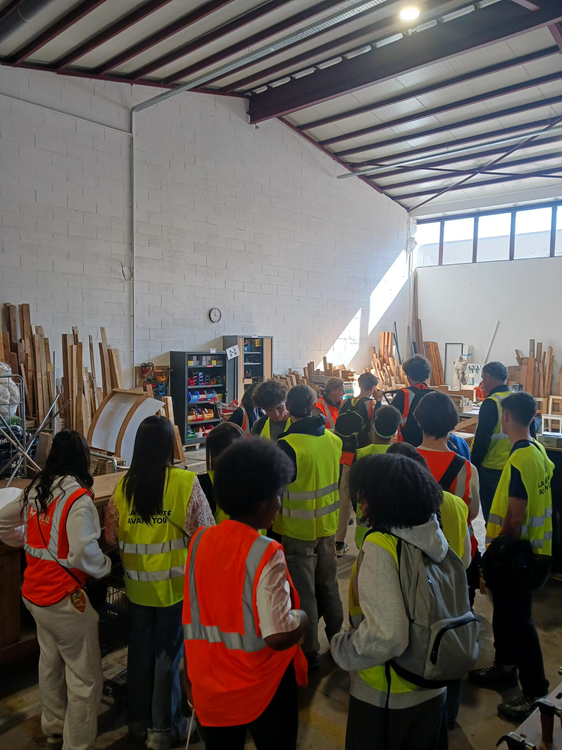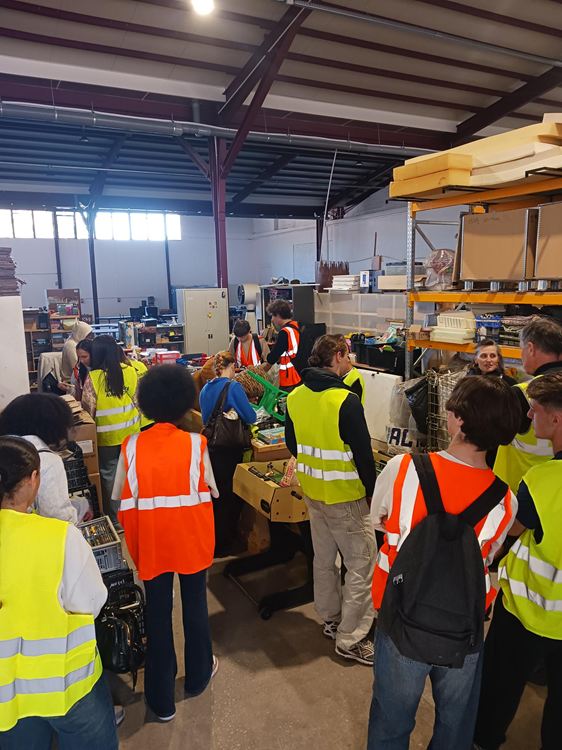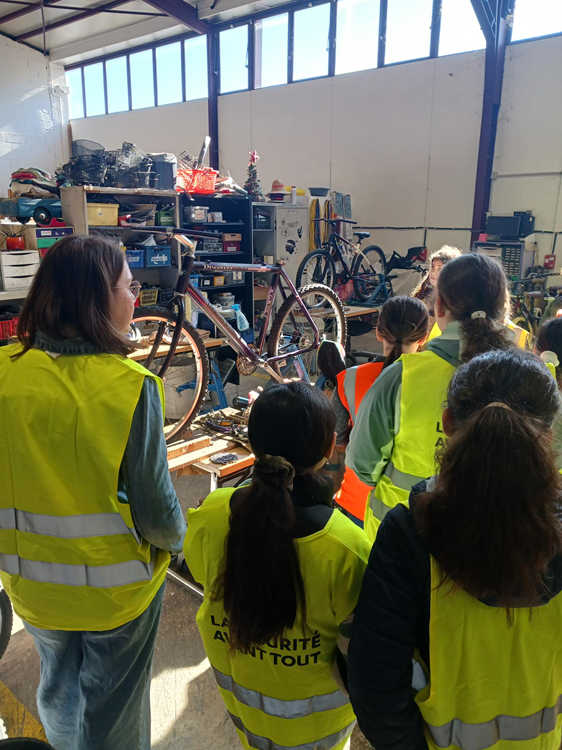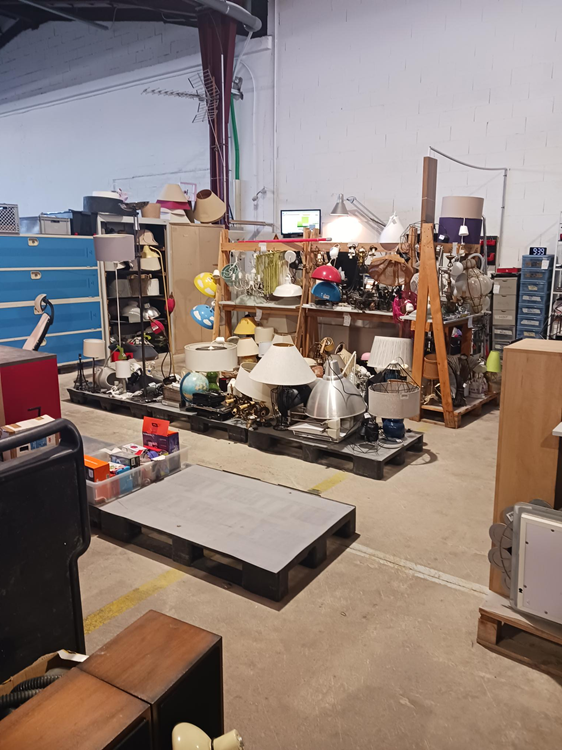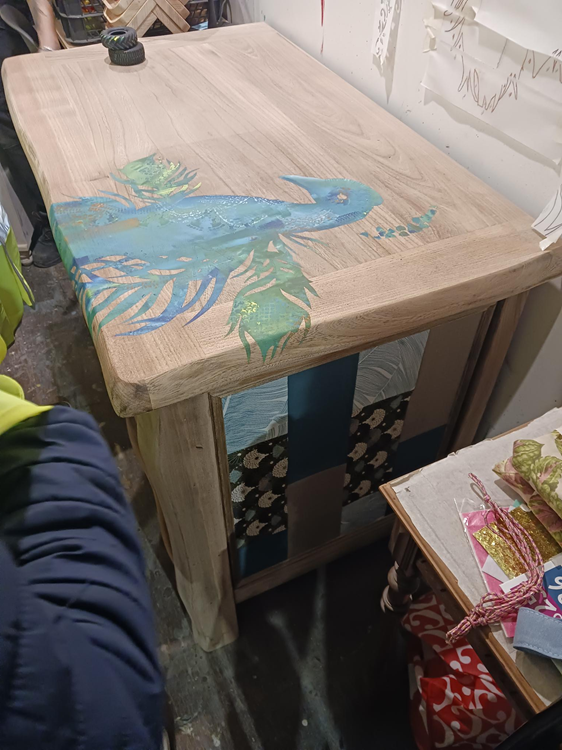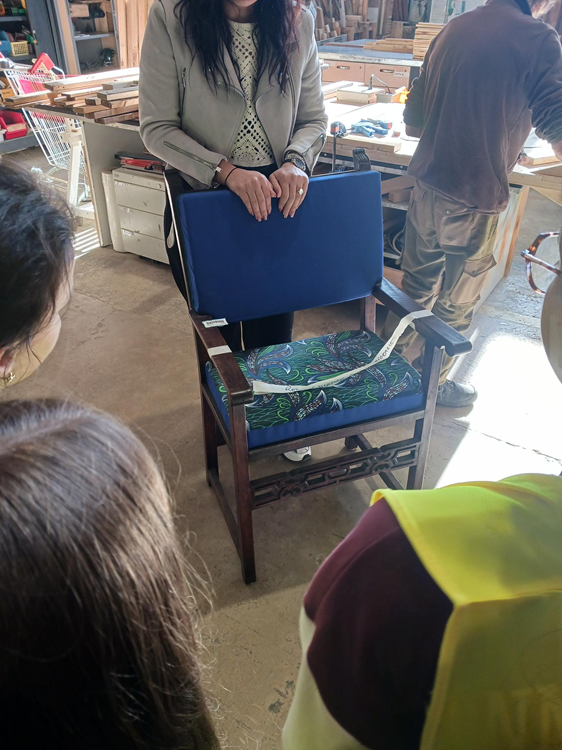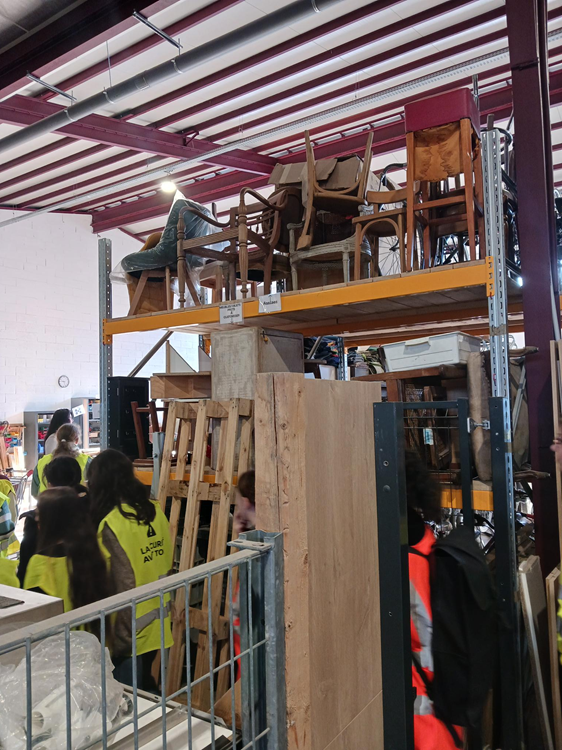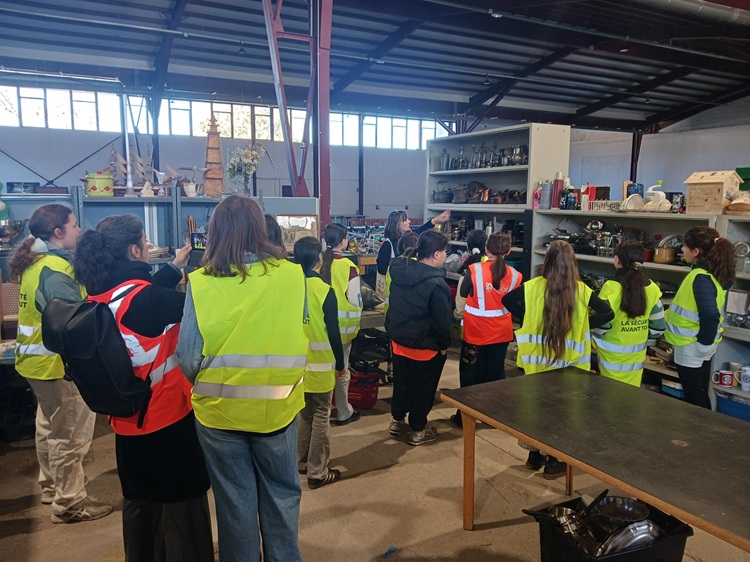

Indeed, across France, a quiet transformation of the idea of “waste” has been underway for more than two decades. “Ressourceries” are reshaping how objects circulate through society. Neither simple recycling centres nor ordinary second-hand shops, they sit at the intersection of environmental action, social policy, and local economic life.
The concept emerged in the late 1990s within the framework of the social and solidarity economy. Its guiding principle is straightforward: what people discard is not necessarily waste, but a potential resource. Furniture, clothing, electronics, and everyday items are collected from households and businesses, then sorted, cleaned, repaired, and resold at low prices. What cannot be reused is redirected toward recycling. Alongside this practical work, ressourceries also run workshops and outreach programmes that encourage people to rethink consumption and reduce waste.
A mission well beyond environmental concerns
Many ressourceries function as work-integration enterprises, offering employment and training to people who face barriers to the job market. They also provide affordable goods and create local spaces where social ties can form. In this sense, they combine ecological goals with a strong commitment to solidarity and inclusion.
Their impact is tangible. By extending the lifespan of objects, they reduce the volume of waste sent to landfill or incineration and limit the need for new resources. At the same time, they support local economies through non-relocatable jobs and foster a gradual cultural shift toward reuse and repair. They help make visible an alternative way of consuming—one less centered on disposability.
A model is under pressure
The rise of low-cost, low-quality goods has led to an influx of items that are difficult to repair or resell, increasing the workload while reducing potential revenue. Financial sustainability remains fragile, as ressourceries must balance low prices with labor-intensive operations, often relying on public support. They also face growing competition from online resale platforms and private actors entering the second-hand market.
Despite these challenges, ressourceries remain key players in France’s ecological and social transition. Their strength lies in their hybrid nature: they are at once environmental services, social enterprises, and community spaces. In a society still marked by overproduction and waste, they offer a concrete demonstration that another model—based on reuse, proximity, and solidarity—is not only possible, but already in motion.