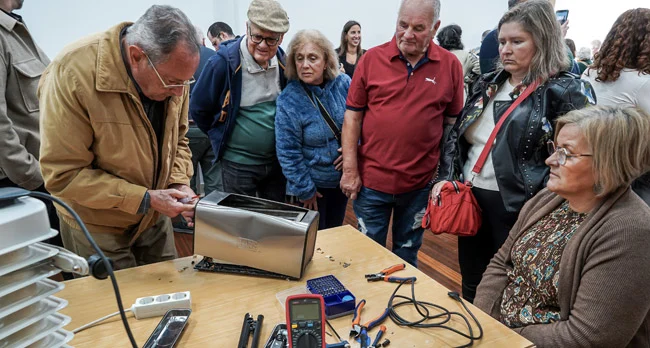
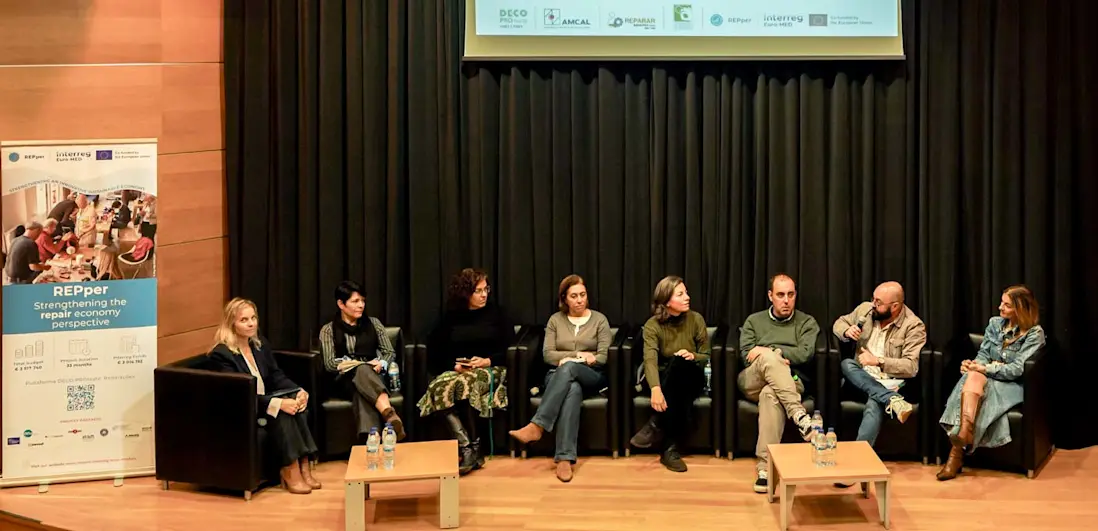
The event featured an open repair workshop, where community members were invited to bring their broken appliances for assessment and repair by skilled technicians. This hands-on approach not only provided practical solutions for participants but also highlighted the feasibility and benefits of repair over replacement.
For Lurdes Balancho, a participant in the open repair workshop, repairing a broken appliance is always the first option. She observed attentively as an electrician worked to fix her hair straightener. At home, Lurdes relies on her husband’s resourcefulness “even though he’s not an electrician, he manages” to restore life to products that might otherwise be discarded. However, in today’s consumer-driven society, repairing appliances remains the exception rather than the norm. The festival aimed to universalize the habit of Lurdes’ family: choosing to repair appliances, even after the legal warranty expires, instead of buying new ones. This approach not only saves money but also reduces waste and conserves resources.
Education as a Key Response
Education is, to a large extent, part of the solution, argued Carlos Alcobia, from the Buinho Association, during the debate on the “Challenges of Repair.” Educating and engaging the community has been the starting point for this local association, which organizes “repair cafés” where specialized technicians train citizens to repair their own electronic devices, just as Lurdes’ husband does. This approach helps the planet by reducing waste and also cuts the costs of buying new products.
Training Professionals: A Structural Challenge
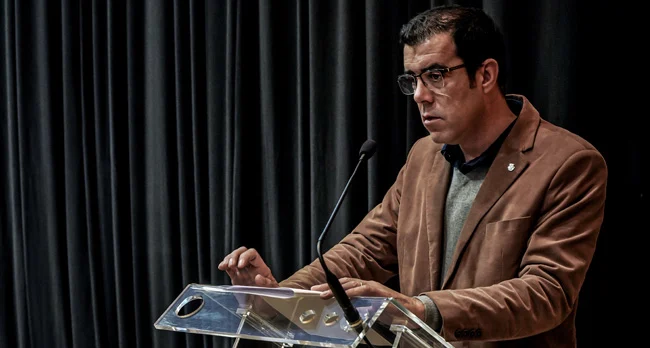
“Who will repair these appliances?” asked João Duarte Palma, Mayor of Cuba, at the opening of the debate. In a society with a “consumerist model” that needs to be questioned, changing mindsets and increasing the number of professionals specialized in appliance repair is one of the structural challenges of the circular economy. “Unless we question this model of society, nothing will change,” he warned.
Waste Reduction: A Priority
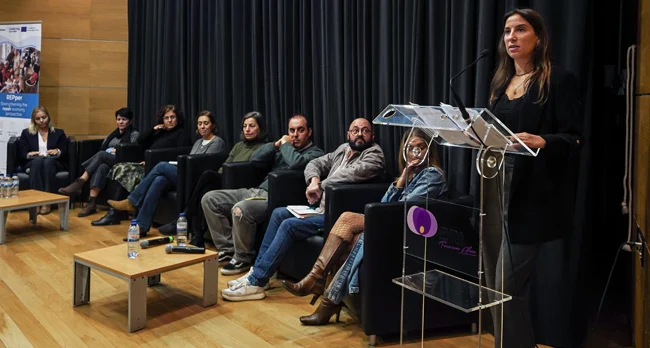
“The best waste is the waste that doesn’t exist,” emphasized Ana Cristina Pardal, coordinator of the Environmental Engineering degree at the Polytechnic of Beja. To achieve this reduction, it is essential to restore value to professions that have disappeared with globalization, such as electricians and plumbers. Furthermore, “environmental education and sustainability must be integrated across all areas and levels of education,” she argued.
Towards a Circular Economy
According to Ana Cristina Espanhol, from the Portuguese Environment Agency, the transition to a more circular and sustainable economy begins by “replacing waste management with resource management, starting with repair.” European and national legislation is moving in this direction, as seen in the Right to Repair Directive.
Consumer Distrust of Refurbished Products
Part of the solution lies in “consuming less,” as Lurdes already does, noted Maria Joana Sabino, representative of CCDR Alentejo. She stressed the importance of stopping the treatment of these devices as waste, as part of the mindset shift and popularization of repair. However, she added, there must also be profitability and savings for both producers and citizens.
Another identified problem is the frequent lack of spare parts for repairs. In this regard, it is important to combine repair with innovation, such as 3D printing specific parts for certain devices, as highlighted by António Martins, representative of PACT – Alentejo Science and Technology Park.
A recent study by electrical and electronic waste management organizations shows that consumers remain distrustful of refurbished products. Silvia de Oliveira, commercial director of ERP Portugal, stressed the need to increase consumer confidence by promoting the repair sector.
Changing Behaviors, Valuing Durability
Contributing to this behavioral change and promoting product durability is the main goal of the festival, which continues with open repair workshops in the five municipalities of AMCAL, free of charge but requiring prior registration. After Cuba, Alvito, and Viana do Alentejo, the initiative will reach Portel and Vidigueira on November 29.
DECO PROteste has launched the digital platform Reparar, designed to improve consumers’ knowledge about repairing household appliances and electronic devices. The platform offers free practical content on repair, simple and accessible guidance, and tools to help make informed decisions between “repair or replace,” as well as information on what to do with equipment that is no longer repairable.
Explore more